

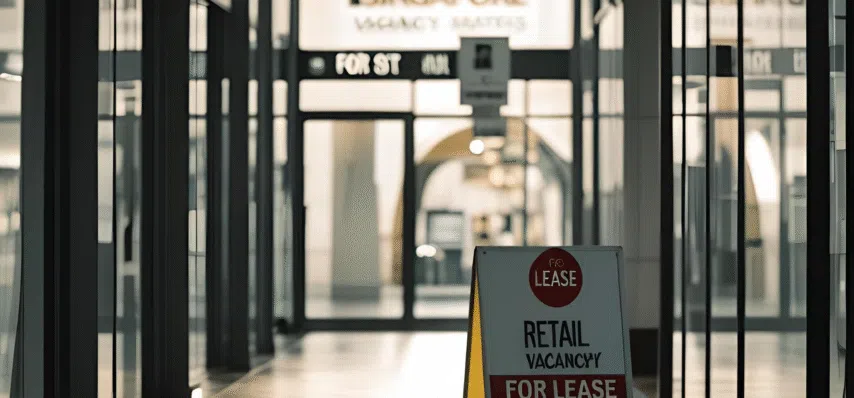
Singapore retail vacancy creeping up with more tenants looking to exit
Singapore Retail Vacancy Creeping Up as More Tenants Look to Exit
Retail vacancy in Singapore has been quietly edging higher, as more tenants review their cost base, rationalise outlets and, in some cases, choose not to renew leases. While the overall retail landscape remains supported by tourism and domestic spending, the pressure is most visible in older malls, fringe locations and non-essential trades.
Vacancy is no longer concentrated only in struggling malls – even otherwise stable assets are seeing more lease negotiations, downsizing and selective exits as businesses become more cautious.
Why Are More Tenants Looking to Exit?
Several forces are pushing retailers to rethink their space needs:
- Higher operating costs – including labour, utilities and fit-out costs.
- Soft spots in discretionary spending – especially in non-essential categories.
- Shift to omnichannel – online sales reduce the need for multiple physical outlets.
- Rising rents in prime spots – challenging for smaller or marginal concepts.
As a result, some brands are consolidating to fewer, more productive stores, while others are experimenting with pop-ups, shorter leases and smaller footprints.
Which Types of Retail Assets Are Most Affected?
- Older strata-titled malls with fragmented ownership and weaker tenant mix.
- Suburban centres that rely heavily on a narrow catchment and have limited differentiation.
- Upper-floor units with low visibility and footfall.
On the other hand, well-positioned malls with strong anchors, good F&B offerings and convenient transport links continue to attract both tenants and shoppers.
What This Means for Landlords
1. More Re-Leasing Work & Incentives
- Landlords may need to offer fit-out contributions, stepped rents or flexible terms.
- More time and effort is required to curate a tenant mix that draws consistent footfall.
2. Need for Active Asset Management
- Refreshing F&B, services and lifestyle tenants to keep the mall relevant.
- Reconfiguring underperforming spaces (e.g. combining small units, adding experience-based uses).
3. Pressure on Yields if Vacancy Persists
- Higher vacancy and shorter leases can weigh on net property income.
- For investors, the focus shifts from headline yield to sustainability of cash flow.
What This Means for Tenants
For retailers and F&B operators, creeping vacancy is both a risk and an opportunity:
- Risk: Higher failure rate in weak locations, especially for newer concepts.
- Opportunity: Better negotiating power in malls keen to fill space with the right brands.
- Scope to secure more favourable terms in malls that are repositioning or undergoing AEI.
Tenants with strong concepts and stable financials may find this a good window to upgrade locations or lock in strategic sites.
Implications for Investors
- Quality of asset and catchment now matters more than ever.
- Headline yield must be weighed against vacancy risk and leasing outlook.
- Assets with proactive management and clear repositioning plans may offer better medium-term upside.
Rather than avoiding retail altogether, sophisticated investors are segmenting the sector – focusing on well-located centres, necessity-led trade mix and landlords with strong execution.
TopBroker Insight
Creeping retail vacancy is a signal to dig deeper – not just into the asset, but into tenant health, lease expiries and management strategy. For landlords, the key edge is speed and creativity in re-leasing. For tenants, it’s about choosing locations that can still pull consistent footfall even in a more cautious spending environment.
If you own or are looking at retail assets, it’s crucial to understand which side of the vacancy story your property sits on – and how to reposition early if needed.