

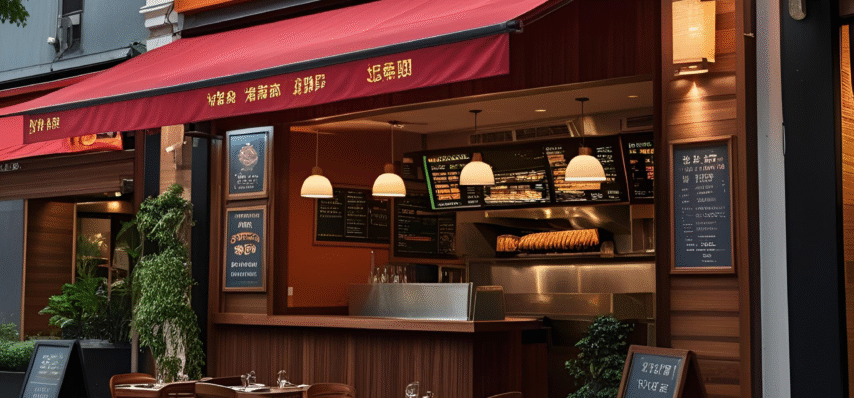
Eating out loses its shine some listed F&B players in the red on wilting demand, high costs
Eating Out Loses Its Shine as Listed F&B Players Slip Into the Red Amid Wilting Demand and Rising Costs
Singapore’s F&B landscape is showing signs of fatigue. Several listed F&B groups have reported losses as consumers scale back discretionary dining and operators grapple with higher costs, manpower shortages and persistent inflation. The slowdown marks a sharp contrast to the strong post-pandemic rebound seen in 2022–2023.
Why Dining-Out Demand Is Softening
Consumers are tightening their wallets for several reasons:
- Higher cost of living — utilities, groceries, transport and mortgages have risen
- Shift to home-cooking and hybrid work, reducing weekday dining footfall
- Value-conscious behaviour as households prioritise essentials
- More promotions and discounts in supermarkets drawing spend away from restaurants
Even popular casual-dining brands have reported uneven sales despite strong brand recognition.
Rising Costs Hit Operators Hard
Cost pressures are squeezing margins across the F&B sector:
- Higher wage costs due to manpower constraints and upcoming PWM adjustments
- Increasing rents across malls and prime retail clusters
- Food inflation especially in proteins, imported ingredients and beverages
- Utilities and logistics cost increases driven by global volatility
Many operators report that even with steady revenue, profits are slipping due to rising operating costs.
Some Listed F&B Groups Have Slipped Into the Red
According to recent financial filings, several listed players are posting quarterly losses due to:
- Lower same-store sales
- Slower table turnover during off-peak periods
- Higher rental renewal rates
- Increased cost of goods sold (COGS)
Even brands with strong fanbases are feeling the margin squeeze.
Operators Explore New Strategies
To stabilise performance, major chains are experimenting with:
- Smaller-format concepts such as kiosks and grab-and-go outlets
- Tech-driven ordering, automation and manpower-light operations
- Menu engineering to control food cost variability
- Expansion into overseas markets with lower costs
Some firms are also rebalancing portfolios by shutting underperforming outlets.
TopBroker Insight
The F&B sector is known for its resilience, but the current phase highlights a shifting consumer mindset. Location and cost structure matter more than ever — which is why suburban malls and heartland clusters continue to outperform CBD dining strips. For retail landlords and investors, tenant mix strategy is now critical: essential services > lifestyle > discretionary dining.
Get a customised breakdown for your asset or trade area. WhatsApp 9125 5155