

When a family fight over a house nearly ended their business
When a family fight over a house nearly ended their business
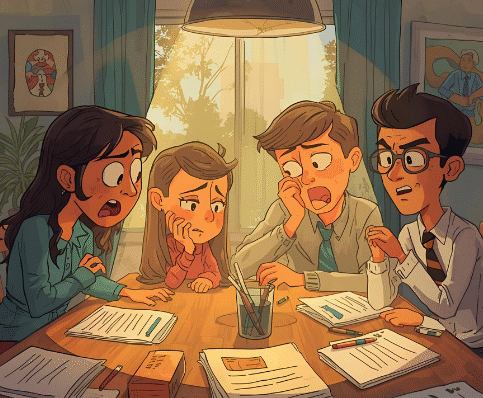
On paper, it was a simple situation: three siblings, one landed house, and a long-running family business that used the property as both home and headquarters. In reality, a dispute over that house almost destroyed the business their parents had spent decades building.
Their story is not unique — many family businesses in Singapore quietly sit on valuable property, but have no clear plan for what happens when the founding generation is gone.
How a House Became the Battleground
When the parents passed on, the house was left equally to the three siblings. But they had very different ideas:
- One wanted to sell immediately and cash out.
- One wanted to keep it as a family home.
- One wanted to keep running the business from the same premises.
With no clear will on what to do with the property or the business, negotiations quickly turned emotional. Old resentments resurfaced. Every decision about the house became a referendum on “who contributed more” and “who deserved more”.
Why the Business Was at Risk
The business had used the house as:
- Office and storage space
- Registered business address
- Collateral for bank facilities
Once one sibling pushed for a sale, the bank started asking questions. If the property was sold without a proper plan to relocate or restructure, the company:
- Could lose its working capital lines
- Might face higher rent elsewhere
- Risked disruption to operations and staff
In short, a family inheritance issue turned into a business continuity crisis.
Common Mistakes That Lead to This Situation
- No clear will or letter of wishes on how to handle the property
- Mixing family home, business premises and investment asset into one property
- Assuming “the children will just work it out themselves”
- Not documenting who invested what into the business and property
- Using the property for business loans without aligning all owners
How the Family Eventually Resolved It
After months of tension, the siblings realised the fight was hurting everyone. With professional advice, they:
- Got an independent valuation of the house
- Separated the business value from the property value
- Agreed on a buy-out for one sibling who wanted to exit
- Re-housed the business in a more suitable commercial space
It wasn’t easy — but it was better than destroying both family ties and a viable company.
Lessons for Families Who Own Property & Businesses
- Have a clear will that addresses both property and business succession
- Separate “family home emotion” from “business asset decision”
- Document roles, salaries and shareholdings clearly
- Review loan structures if property is used as collateral
- Discuss expectations early, while relationships are still calm
Protecting Both the House and the Business
With proper planning, families can:
- Ring-fence the business from personal disputes
- Use separate entities for property holding and operations
- Plan staged buy-outs or structured payouts for siblings who prefer cash
- Ensure parents’ wishes are clear and legally documented