

En Bloc Rules in Singapore: Should We Raise or Lower the Bar?
SINGAPORE PROPERTY NEWS
En Bloc Rules in Singapore: Should We Raise or Lower the Bar?
Property Market Update • 20 August 2026
Singapore’s collective sale rules are moving into the spotlight again as policymakers consider how to balance redevelopment needs with the rights of owners who may not wish to sell.
Why En Bloc Consent Thresholds Matter
Collective sales are important because they allow older developments to be redeveloped and Singapore’s limited land resources to be used more efficiently.
But an en bloc sale also affects homeowners differently. Some owners may welcome an opportunity to realise the value of an ageing property, while others may regard their home as something they have no intention of selling.
The challenge is therefore finding the right balance between allowing redevelopment to proceed and protecting minority owners from being forced into a sale too easily.
Proposed En Bloc Consent Thresholds
90% consent threshold remains.
80% consent threshold remains.
Proposed threshold of 70%.
Proposed threshold of 65%.
Older Estates Face a Different Reality
As buildings age, maintenance costs can rise substantially. Owners may have to deal with ageing lifts, water pipes, structural repairs, higher sinking-fund requirements and other major capital expenditure.
For leasehold developments, owners also face another important factor — the remaining lease becomes progressively shorter.
The interests of owners may therefore begin to diverge. An investor may prefer to exit, while a long-term owner-occupier may prefer to remain in the property regardless of its age.
Pine Grove: A Useful Example
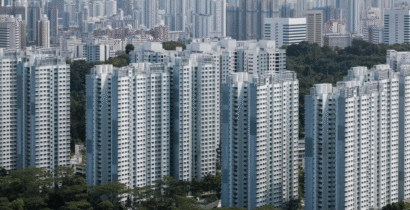
Pine Grove was highlighted as an example of the complexities surrounding collective sales. The condominium is more than 40 years into its 99-year lease and has undergone several collective sale attempts.
Large estates may contain a mixture of long-time owner-occupiers, landlords, investors and overseas owners — all of whom may have very different financial objectives.
The Clock Does Not Tick Equally for Every Owner
A collective sale deadline can create very different pressures for different owners.
Some may feel that waiting reduces their ability to extract value from an ageing lease, while others may have no financial or personal reason to sell.
This is one reason why setting the right consent threshold is difficult. A lower threshold may help redevelopment happen, but it also means fewer dissenting owners are needed before a sale can proceed without their support.
Getting the En Bloc Process Right
The debate is not only about whether the final voting threshold should be 65%, 70%, 80% or 90%.
Equally important is how the collective sale process is conducted before owners vote.
Clear communication, transparent valuation, sufficient consultation and enough time for owners to understand the consequences of a sale can help reduce disputes and ensure that minority owners have a meaningful opportunity to be heard.
What This Could Mean for Property Owners
If lower thresholds for older estates are implemented, collective sale attempts involving ageing developments may become more achievable.
Owners of older condominiums should therefore pay closer attention to their property’s remaining lease, redevelopment potential, land value, collective sale history and the views of other owners within the development.
For investors, changes to collective sale rules could also affect how older leasehold properties are assessed as potential investment or redevelopment opportunities.
Have an En Bloc, Commercial Property or Development Opportunity?
Speak with TopBroker for Singapore commercial property, collective sale, development and investment opportunities.
Source: Commentary published in The Straits Times, 20 August 2026.
This is an independent summary for general information and property-market commentary. Readers should obtain professional advice before making property or investment decisions.