


Which shophouse type fits you?
TopBroker Shophouse Guides
Types of Shophouses in Singapore (Investor & Buyer Guide)
 Shophouses aren’t “one category.” In Singapore, value and risk change depending on conservation status, permitted use, layout and tenant depth. Below is a practical, investor-friendly breakdown of the main types you’ll encounter.
TopBroker Insight: The “best” shophouse is the one with the clearest use-case and the strongest exit buyer pool—not just the prettiest façade.
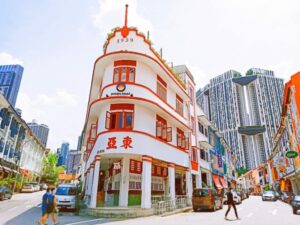
Type 01 Conservation
Conservation Shophouses
- Best for: legacy buyers, family offices, long-term holders
- Why it’s special: finite supply + protected streetscape
- Watch-outs: stricter renovation controls and approvals
Investor angle: often capital preservation-led, not yield-chasing.
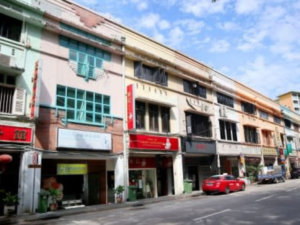
Type 02 Non-Conservation
Non-Conservation Shophouses
- Best for: value-add investors and operators who want flexibility
- Why it’s attractive: fewer heritage constraints (case-by-case)
- Watch-outs: still verify approvals + permitted works carefully
Investor angle: can be repositioned more aggressively, subject to rules.

Type 03 Mixed-Use
Mixed-Use Shophouses
- Best for: balanced investors (income + flexibility)
- Common setup: retail/F&B at ground floor, office/residential above
- Watch-outs: trade suitability and layout efficiency
Investor angle: often best risk-return balance when well-located.
Other common shophouse types you’ll see
Commercial-Use Shophouses
- Best for: investors prioritising tenant demand and cashflow
- What to check: permitted use, trade mix, frontage, access and signage realities
Residential-Use Shophouses
- Best for: lifestyle buyers and niche long-term holders
- Watch-outs: smaller tenant pool; confirm what’s allowed (home office etc.)
Strata Shophouses
- Best for: lower entry price buyers
- Watch-outs: shared control/management; exit pool can be narrower than single-title assets
Practical rule: For any shophouse, the “real” asset is the combination of permitted use + tenant depth + layout efficiency + exit buyer pool.