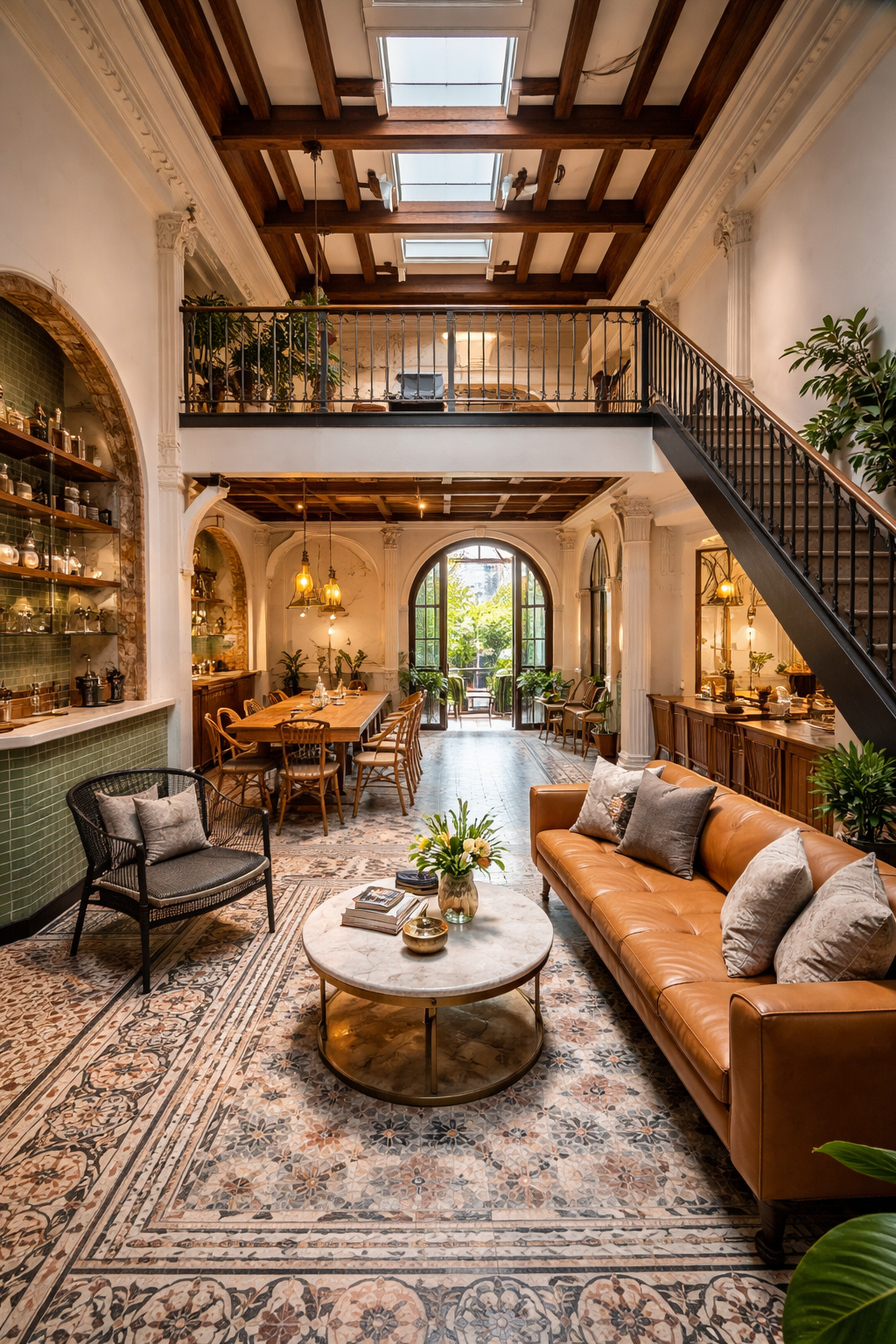

Shophouse Property in Singapore: A Practical Guide for Owners & Investors
What this shophouse guide covers
Shophouses are prized for scarcity, street presence and address prestige — but they require careful verification of approved use, conservation controls (if any), and real upkeep costs. This guide walks you through how to evaluate a shophouse with both operational and investment lenses.

1) Why shophouses command a premium
Shophouses are a scarcity asset class. Supply is finite, locations are established, and many buildings carry heritage appeal. Demand comes from brands, boutique offices, and lifestyle F&B operators seeking identity and street presence.
- Scarcity: finite supply in prime historic districts
- Address value: premium streets support branding & footfall
- Tenure: freehold / 999 often command higher long-term confidence
- Authenticity: unique façades differentiate tenant brands
2) Approved use & change-of-use — never assume
Not every shophouse can be used for everything. Always verify approved use with URA and relevant agencies. F&B, bars, clinics and education each have different fire safety, exhaust, and licensing requirements.
- Confirm zoning & use: don’t rely on “previous tenant use”
- Fire safety: staircase width, compartmentation, fire-rated doors
- Exhaust & M&E: routing constraints in conserved buildings
- Signage rules: conservation areas have stricter guidelines
3) Conservation controls (if applicable)
Conserved shophouses come with façade and alteration controls designed to preserve heritage character. This affects signage, window replacements, aircon ledges, and internal structural changes.
- Façade retention: original elements must be preserved
- Signage: size, placement, and lighting restrictions
- Alterations: approvals required for structural changes
4) Real upkeep costs (budget beyond purchase)
Older buildings can hide maintenance cycles. Budget for waterproofing, timber treatment, roof repairs, and M&E replacement to avoid nasty surprises.
- Waterproofing & roof: frequent in older stock
- Timber issues: termites, rot, humidity
- M&E upgrades: power capacity for F&B, data for offices
- Fire upgrades: often needed for change-of-use
5) Investor lens: rentability, WALE & exitability
Beyond charm, shophouse investing is about who rents, for how long, and how easy it is to exit.
- Tenant quality: strong brands reduce vacancy risk
- WALE: longer leases stabilise cashflow
- Exitability: prime streets remain liquid even in softer cycles
6) Common mistakes (and how to avoid them)
- Assuming “previous tenant use” = approved use
- Underestimating fire safety & M&E upgrade costs
- Ignoring conservation signage restrictions
- Buying based on vibes, not rentability & exitability