

Complete Guide to Singapore Commercial Property: Office, Retail & Shophouse
What you’ll learn
This guide breaks down the 3 core commercial segments in Singapore — office, retail, and shophouses — covering demand drivers, leasing realities, key risks, and what to check before you buy or rent.
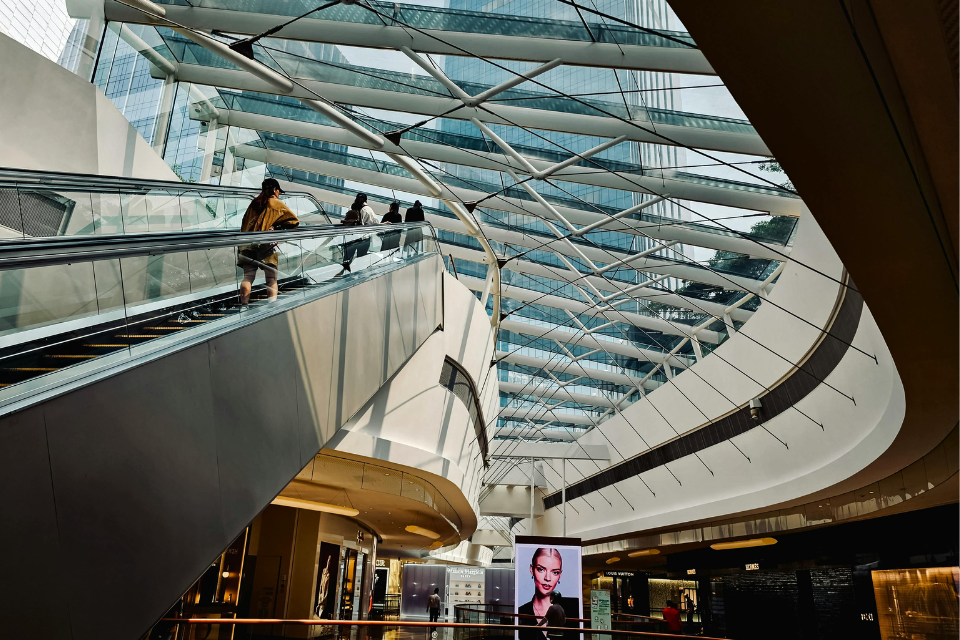
1) Office Property — how to think like a tenant and an investor
Office performance is driven by business confidence, hiring cycles, and what tenants value: accessibility, efficiency, image, and operating costs. A building can look premium, but investors care about lease structure, net effective rent, and vacancy risk.
- Grades & positioning: Grade A vs B matters for rent resilience and tenant profile
- Lease length: Longer WALE is stabilising, but reversion risk exists at renewal
- Fit-out cost: Tenant capex influences negotiation and time-to-lease
- Efficiency: Column-free layouts and good floor plates improve take-up
Office checklist
Before you commit2) Retail Property — footfall is not enough
Retail is no longer purely about location. Sustainable retail performance is built on tenant mix, dwell time, experience, and repeat visitation. The wrong unit can look busy but still suffer from weak conversion.
- Catchment: offices, residents, tourists — each supports different trades
- Trade mix: F&B anchors + services often stabilise rent
- Visibility: frontage, signage, sight lines
- Operational constraints: exhaust, floor loading, power, water points
| Retail Type | Best For | Key Risk |
|---|---|---|
| Mall unit | Brands needing managed footfall + amenities | High competition + fit-out cost |
| Street retail | Concept F&B, lifestyle, high visibility trades | Volatile demand + operational restrictions |
| Neighbourhood retail | Daily-need services, clinics, enrichment | Limited growth without population uplift |
3) Shophouses — the scarcity asset class
Shophouses are prized for scarcity, character, and location prestige. But they require careful verification: approved use, conservation controls (if any), floor plate practicality, and the real cost of upkeep.
- Value drivers: tenure, street quality, conservation category, authenticity
- Use & approvals: confirm permitted use; don’t assume “anything goes”
- Condition: M&E, roof, structure, fire safety upgrades can be significant
- Tenant appeal: brands love story + frontage; office users love address identity
Shophouse due diligence
Must-check- Use approval: verify permitted use, change-of-use constraints
- Conservation: façade rules, signage rules, alteration limits
- Fire safety: staircase, compartmentation, requirements for F&B
- Upkeep: waterproofing, timber issues, termites, M&E replacement cycles
4) How to choose: investor vs owner-occupier
A property that’s “best” depends on your objective:
- Investor: prioritise tenant quality, lease structure, vacancy risk, and exitability
- Owner-occupier: prioritise operational fit, branding, location efficiency, and renewal risk
5) Common mistakes (and how to avoid them)
- Choosing a unit based on “look” instead of tenant demand and unit fundamentals
- Ignoring operational constraints (especially for F&B and medical)
- Underestimating fit-out + reinstatement costs
- Not stress-testing for interest rates, vacancy, and renewal scenarios