

PropNex, real estate agents and law firms sued over ’99-to-1′ deals
PropNex, real estate agents and law firms sued over ’99-to-1′ deals
Several home buyers have taken legal action against PropNex, individual real estate agents, and multiple law firms, claiming they were misled into entering controversial “99-to-1” property ownership arrangements. These structures, once marketed as a way to reduce Additional Buyer’s Stamp Duty (ABSD), are now under intense regulatory scrutiny.
The lawsuits highlight the growing legal and financial risks surrounding such deals, especially as authorities tighten enforcement against schemes that attempt to circumvent property tax rules.
What Are 99-to-1 Property Deals?
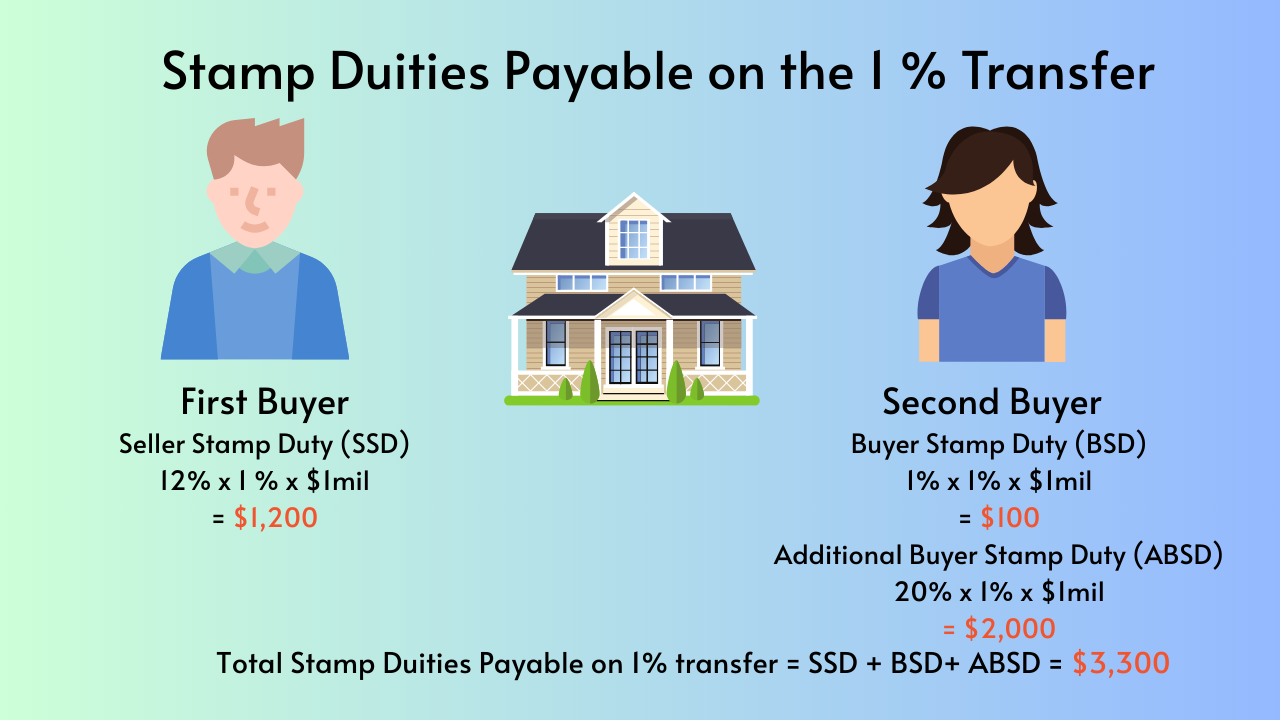
A “99-to-1” arrangement involves two co-buyers owning a property in unequal shares — typically:
- Buyer A: 99% share
- Buyer B: 1% share
The structure was commonly used when one buyer already owned a property, aiming to reduce ABSD exposure. However, authorities have warned that if such arrangements are artificial or designed primarily to avoid ABSD, they may be considered tax evasion.
The Allegations in the Lawsuits
Buyers allege that:
- Agents and firms misrepresented the legality of the arrangement
- They were not informed of potential IRAS penalties
- They relied on “expert” guidance that later proved risky
- Key risks were not disclosed in writing
Some buyers now face backdated stamp duties, penalties and interest — sparking the lawsuits.
Why This Matters for Property Buyers
The crackdown signals a broader shift:
- IRAS now reviews ownership structures more aggressively
- Advisers must justify the commercial substance of such arrangements
- Buyers can no longer rely on verbal assurances from agents or lawyers
For genuine co-ownership, transparency and proper documentation are crucial.
What Should Buyers Do?
Before entering any non-standard ownership structure, buyers should:
- Understand ABSD rules thoroughly
- Seek independent legal advice
- Ask for risks to be explained in writing
- Confirm any tax implications directly with IRAS
- Consider safer alternatives (e.g., decoupling — only where fully legal and justified)
As enforcement tightens, buyers must prioritise compliance over clever structuring. A short-term tax saving is never worth long-term penalties or lawsuits.
How This Affects the Property Market
The cases may influence how agents and lawyers approach high-value transactions. Industry players are now expected to:
- Conduct stricter due diligence
- Provide clearer disclosures
- Avoid arrangements that may be construed as tax avoidance
For buyers, the safest path forward is ensuring everything done is above board and fully documented.