

Conservation Shophouses in Singapore: A Complete Investor Deep-Dive
Executive summary (what matters most)
Conservation shophouses can be exceptional scarcity assets with long-term appeal — but the “premium” only makes sense when you understand conservation controls, approved use, and the true capex cycle. This guide focuses on investor-grade decision points, not just aesthetics.
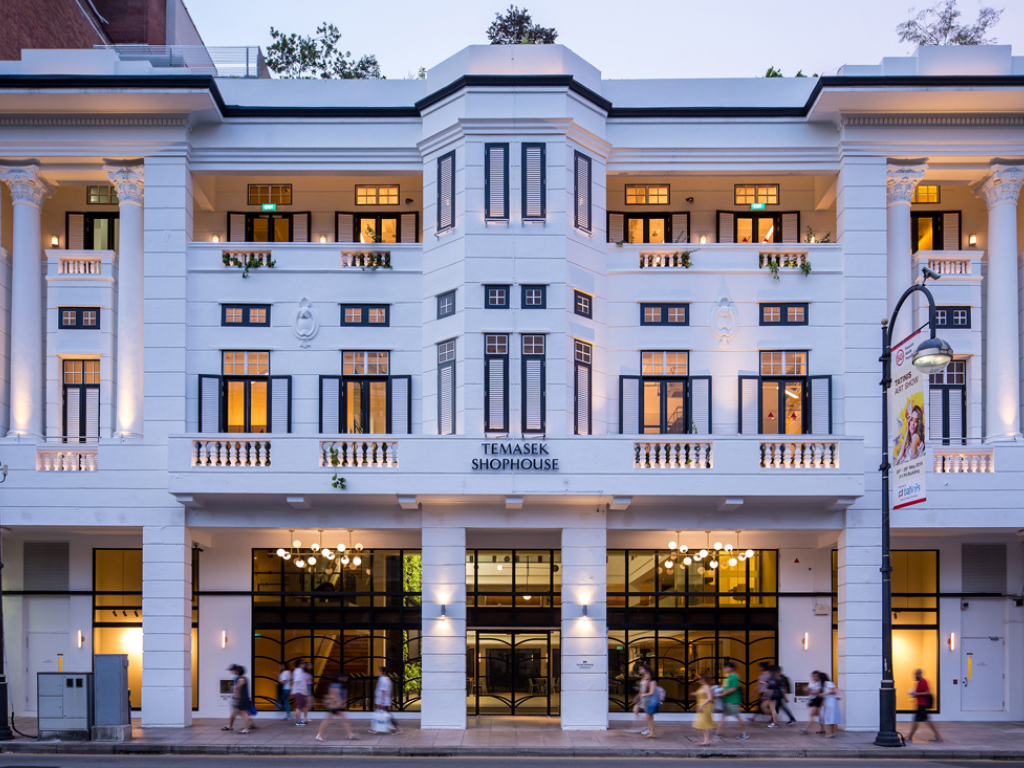
1) What makes a shophouse “conserved”?
A conservation shophouse is protected for its architectural and historical significance. This typically means the façade and key architectural elements must be retained and any works must follow conservation guidelines and approvals.
2) The true value drivers (beyond “pretty”)
- Street quality: prime streets tend to stay liquid and tenantable
- Tenure: freehold / 999 often commands stronger long-term confidence
- Lettable practicality: frontage, floor plate, staircase position, ceiling height
- Tenant demand: brands pay for identity; offices pay for address and layout
- Repositioning potential: upgrading within rules (not “massive reconstruction”)
3) Conservation controls that affect returns
Conservation isn’t a single rule — it’s a framework. These are common control areas that can change your cost and timeline:
| Control Area | What it affects | Investor impact |
|---|---|---|
| Façade retention | Front elevation, windows, shutters, ornamentation | Limits redevelopment; supports character premium |
| Signage & lighting | Branding, sign sizes, placement, illumination | May reduce some tenant types; manage expectations early |
| Alterations | Structural changes, extensions, roof works | Higher approval friction; longer downtime risk |
| Materials & details | Tiles, timber, plasterworks, colour palette | Capex can be higher; quality work protects valuation |
4) Approved use: the #1 underwriting checkpoint
Don’t underwrite a deal based on a previous tenant’s business. Always verify the approved use and whether a change-of-use is feasible. Some uses (especially F&B, bars, medical, education) have operational and compliance requirements that can materially affect capex and timing.
- F&B: exhaust routing, grease trap, fire safety compliance, landlord constraints
- Bar / nightlife: licensing, sound, neighbours, approvals risk
- Office: simpler operations, but layout and daylight matter
- Retail: frontage + visibility + conversion > raw footfall
5) Capex reality: what investors often underestimate
Conservation shophouses require ongoing upkeep. Budget for both immediate rectification and longer-term replacement cycles.
- Waterproofing & roof: recurring, high-impact items
- Timber: termites, rot, humidity management
- M&E capacity: power, aircon distribution, data infrastructure
- Fire safety: upgrades can be triggered by change-of-use
6) Returns framework: how to think about yields and premiums
Treat conservation shophouses as a blend of cashflow asset and scarcity/collectible real estate. The premium is typically justified by long-term capital preservation, brand-grade tenant demand, and exitability — but only if the asset is functional and compliant.
- Stability lens: long leases, strong tenants, defensive streets
- Upside lens: repositioning, rental uplift, tenant upgrade
- Risk lens: downtime, approval delays, capex spikes
7) Exitability: what makes a conservation shophouse liquid
- Prime street + recognisable micro-location
- Clean documentation: approvals, as-built records, tenancy clarity
- Functional layout: strong floor plates, usable circulation
- Tenantability: wide pool of potential tenants (not single-use dependent)
8) Common investor mistakes
- Paying premium for façade, then discovering the layout is hard to lease
- Ignoring conservation constraints until after signing
- Underestimating downtime and capex during approvals/works
- Assuming one “ideal tenant” — without a Plan B leasing strategy
