

TopBroker • Singapore Commercial Property Guide

Shophouse Property in Singapore: A Practical Guide for Owners & Investors

Updated: [January 2026] • Use: Buy / Invest / Owner-Occupy • Focus: Scarcity, approvals & upkeep

What this shophouse guide covers

Shophouses are prized for scarcity, street presence and address prestige — but they require careful verification of approved use, conservation controls (if any), and real upkeep costs. This guide walks you through how to evaluate a shophouse with both operational and investment lenses.
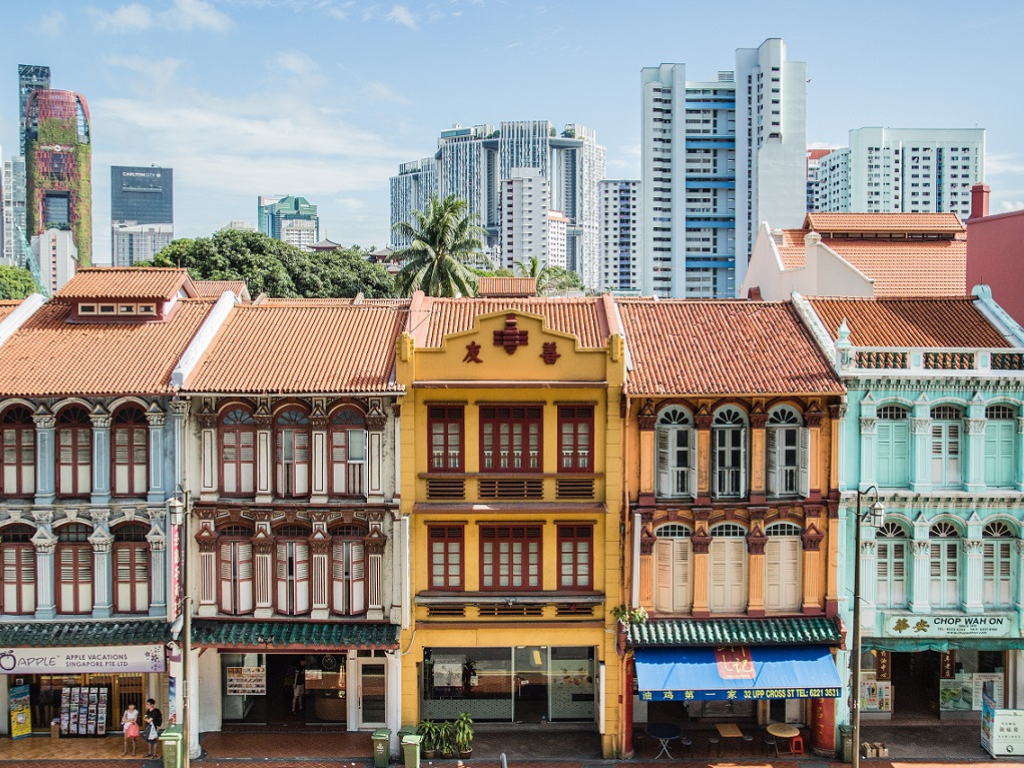
Value drivers: tenure, street quality • authenticity
Controls: use approvals, conservation • signage rules
Risks: fire safety, waterproofing • M&E upgrades

1) Why shophouses command a premium

Shophouses are a scarcity asset class. Supply is finite, locations are established, and many buildings carry heritage appeal. Demand comes from brands, boutique offices, and lifestyle F&B operators seeking identity and street presence.

  • Scarcity: finite supply in prime historic districts
  • Address value: premium streets support branding & footfall
  • Tenure: freehold / 999 often command higher long-term confidence
  • Authenticity: unique façades differentiate tenant brands
 

2) Approved use & change-of-use — never assume

Not every shophouse can be used for everything. Always verify approved use with URA and relevant agencies. F&B, bars, clinics and education each have different fire safety, exhaust, and licensing requirements.

  • Confirm zoning & use: don’t rely on “previous tenant use”
  • Fire safety: staircase width, compartmentation, fire-rated doors
  • Exhaust & M&E: routing constraints in conserved buildings
  • Signage rules: conservation areas have stricter guidelines
 

3) Conservation controls (if applicable)

Conserved shophouses come with façade and alteration controls designed to preserve heritage character. This affects signage, window replacements, aircon ledges, and internal structural changes.

  • Façade retention: original elements must be preserved
  • Signage: size, placement, and lighting restrictions
  • Alterations: approvals required for structural changes
 

4) Real upkeep costs (budget beyond purchase)

Older buildings can hide maintenance cycles. Budget for waterproofing, timber treatment, roof repairs, and M&E replacement to avoid nasty surprises.

  • Waterproofing & roof: frequent in older stock
  • Timber issues: termites, rot, humidity
  • M&E upgrades: power capacity for F&B, data for offices
  • Fire upgrades: often needed for change-of-use
 

5) Investor lens: rentability, WALE & exitability

Beyond charm, shophouse investing is about who rents, for how long, and how easy it is to exit.

  • Tenant quality: strong brands reduce vacancy risk
  • WALE: longer leases stabilise cashflow
  • Exitability: prime streets remain liquid even in softer cycles
 

6) Common mistakes (and how to avoid them)

  • Assuming “previous tenant use” = approved use
  • Underestimating fire safety & M&E upgrade costs
  • Ignoring conservation signage restrictions
  • Buying based on vibes, not rentability & exitability
Disclaimer: This is general information. Always verify approvals, conditions and building-specific requirements.
Shophouse


TopBroker Investor Guides

Why investors are drawn to Singapore shophouses

Shophouses occupy a unique position in Singapore’s commercial property market. They combine heritage value, land scarcity, and income-generating potential, making them highly sought after by long-term investors and family offices.

However, shophouse investing is not purely about aesthetics or rarity — success depends on understanding regulatory constraints, tenant demand, and exit liquidity.

Types of shophouses investors encounter

  • Conservation shophouses: protected façades and architectural features
  • Non-conservation shophouses: greater flexibility but less heritage premium
  • Mixed-use shophouses: retail / F&B at ground level with office or residential above
Investor note: Conservation status enhances scarcity but also imposes strict renovation and usage controls.

Location, frontage and tenant demand

  • Street profile: visibility and accessibility directly impact rentability
  • Frontage width: wider frontage often commands stronger tenant demand
  • Surroundings: neighbouring trades and precinct character matter

Investors should assess whether a shophouse appeals to core tenant groups such as F&B operators, boutique retailers, or professional services.

Shophouse yields, pricing and return expectations

Shophouse yields are often lower than other commercial assets on a headline basis, reflecting their capital preservation and scarcity appeal.

  • Capital value often drives total return more than yield
  • Rental upside depends on trade suitability and layout efficiency
  • Refurbishment costs can materially affect net returns

Key risks shophouse investors must manage

  • Conservation approval timelines and renovation restrictions
  • Higher maintenance and restoration costs
  • Niche tenant pool in certain locations
  • Smaller buyer pool on exit compared to strata assets
Reality check: Not all shophouses are equal — location, frontage, and permitted use matter more than age or charm.

TopBroker Insights: how we evaluate shophouse investments

  • Tenant depth and achievable market rents
  • Conservation constraints and approval feasibility
  • Refurbishment capex vs value uplift
  • Exit buyer profile and liquidity timeline

Looking for shophouse investment opportunities?

Share your preferred district, budget range and holding horizon. We’ll shortlist suitable shophouses — including off-market opportunities where available.