
With large clusters of ageing flats, Singapore’s oldest estates hit a turning point
With large clusters of ageing flats, Singapore’s oldest estates hit a turning point
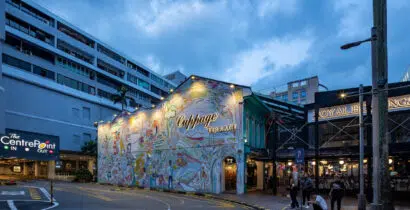
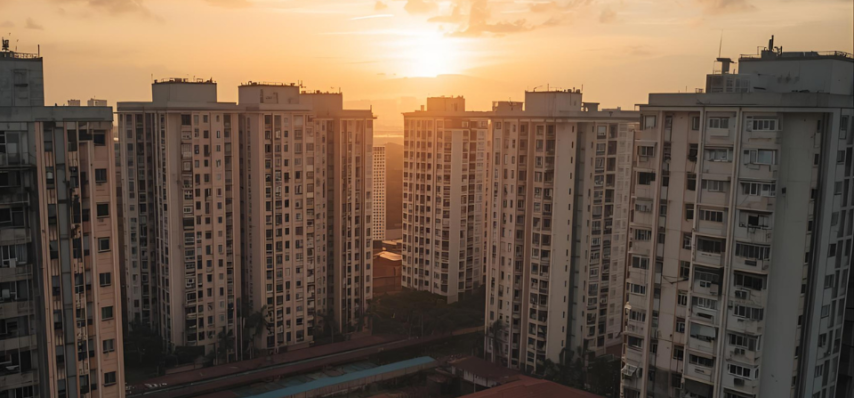
Estates like Tiong Bahru, Queenstown and parts of Bukit Merah were Singapore’s earliest experiments in high-rise public housing. Today, large clusters of these flats are reaching advanced ages, with many blocks built in the 1960s and 1970s moving well past the halfway mark of their 99-year leases.
A recent commentary highlighted that renewing these neighbourhoods now requires a delicate balance between urban renewal, liveability, affordability and heritage.
- Clusters of ageing HDB flats are reaching a critical phase in their 99-year leases.
- Some mature estates are seeing new private launches and higher-end homes side by side with old blocks.
- Policy tools like HIP, the Lease Buyback Scheme and possible future renewal programmes will shape what these towns look like.
- Flat owners and buyers must now weigh remaining lease as carefully as location and price.
1. Where are Singapore’s oldest estates?
Singapore’s earliest public housing can be found in areas such as Tiong Bahru, Queenstown, Toa Payoh and parts of Bukit Merah and Kallang/Whampoa. Many blocks there were built in the 1960s and early 1970s, when the focus was simply on rehousing kampung residents quickly.
Over the decades, these same towns have become central, well-connected and very liveable – close to the city, MRT lines, good schools and amenities. That’s why we now see record HDB resale prices and strong demand for new condos in some of these mature areas, even as the housing stock ages.
2. Why ageing clusters are at a turning point
When individual blocks age in isolation, renewal is relatively straightforward: a lift upgrading here, a repainting project there. But when entire clusters of flats cross 50 or 60 years old together, planners have to decide:
- Which blocks to upgrade and keep for as long as possible;
- Which areas to potentially redevelop more intensively in future; and
- How to avoid creating “patchwork” neighbourhoods where some blocks are brand-new and others are visibly worn out.
At the same time, many residents in these towns are older themselves. A large share of households are seniors, and their needs – barrier-free access, healthcare, social support – must be planned into any renewal strategy.
3. What this means for flat owners
For existing owners in older estates, the “turning point” is both emotional and financial. On one hand, these towns have deep neighbourhood ties, strong amenities and unique charm. On the other, the remaining lease is shrinking every year.
Key questions every owner should ask
- How many years of lease are left, and how will that affect future buyers’ CPF usage and loan tenure?
- Is my block likely to see major upgrading, selective redevelopment or be largely unchanged?
- Do I plan to age in place, right-size to a smaller flat, or cash out at some point?
Owners who understand these factors early can better time decisions such as right-sizing, monetisation, or passing the flat on as part of a broader family plan.
4. Implications for buyers and investors
For buyers, older estates offer a trade-off: you get fantastic location and lifestyle, but often at the cost of a shorter remaining lease. Whether that makes sense depends on your holding period and objectives.
- Own-stay buyers who value centrality and character may still find good value, especially if they don’t need the flat to outlast the next generation.
- Investors and landlords need to pay close attention to rental demand, lease decay and exit strategy – not just headline yield.
- For some, a mix of an ageing but central HDB flat for own stay, plus longer-lease assets elsewhere for wealth growth, can strike a balance.
5. How renewal could reshape these neighbourhoods
In the coming decades, we can expect:
- More infill developments and new launches in mature estates;
- Targeted upgrading, barrier-free access and senior-friendly features;
- Selective redevelopment creating new parks, community spaces and mixed-use hubs; and
- Careful preservation of heritage blocks and streetscapes that give areas like Tiong Bahru their identity.
How these policies unfold will determine whether Singapore’s oldest estates become vibrant, well-mixed neighbourhoods – or risk hollowing out if renewal is too piecemeal.
6. How TopBroker can help you plan ahead
Whether you’re sitting on an ageing flat in a prime mature estate or considering buying into one, the key is to match your time horizon, risk appetite and family plans with the right property strategy.
- Benchmark your flat against recent transactions in similar ageing clusters.
- Explore right-sizing or portfolio reshuffling options (e.g. selling in a mature estate, buying in an emerging growth town).
- Stress-test scenarios: keep and hold, rent out, or exit within a set timeframe.