

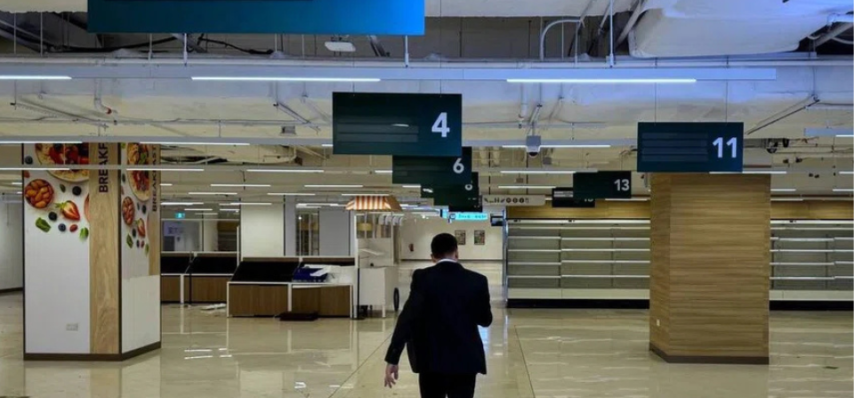
Taste Orchard sub-tenants fret over compensation, eviction deadline
Taste Orchard sub-tenants fret over compensation, eviction deadline
When a master tenant runs into trouble, it is often the small sub-tenants who face the harshest disruption.
The situation at Taste Orchard has cast a spotlight on the vulnerabilities faced by small F&B and retail operators who rent through a master tenant instead of dealing directly with the landlord. As the master lease unravels, many sub-tenants now worry about compensation, short notice periods and the looming eviction deadline.
Why sub-tenants are anxious
Most small operators in such arrangements sign a sub-tenancy agreement with the master tenant, not the building owner. This creates several layers of risk:
- Shorter security of tenure – sub-tenants may receive limited notice if the master lease ends.
- Unclear compensation rights – any goodwill, rental deposits or fit-out investments may be hard to recover.
- Operational shock – sudden eviction affects staffing, supply contracts and daily cashflow.
- Limited negotiation power – small tenants often feel “stuck in the middle” between landlord and master tenant.
Key pain points at a glance
- Whether deposits and advance rentals will be fully refunded.
- If there is any compensation for unamortised renovation and equipment costs.
- How much time they realistically have to vacate and relocate.
- Whether they can negotiate directly with the building landlord for a new lease.
Impact on F&B operators and brands
For many F&B SMEs, a single outlet represents:
- Their primary revenue stream and brand presence.
- Substantial upfront capex on kitchen fit-out, exhaust, M&E and licensing.
- Months of effort spent building footfall and regular clientele.
A forced exit, especially during festive or peak trading periods, can hurt cashflow and branding. Some operators may be forced into fire-sale takeovers or distressed relocation, often on unfavourable terms.
Lessons for future sub-tenancy arrangements
The Taste Orchard episode offers important takeaways for both current and aspiring F&B operators:
- Understand the master lease: know when it expires, and what happens if it is terminated early.
- Review compensation clauses: check how deposits, fit-out and early termination are treated.
- Clarify notice periods: vague language around “vacant possession” can create last-minute pressure.
- Avoid over-investing in fit-out when tenure is short or uncertain.
- Maintain options: always have backup locations or a plan to pivot to delivery/online models.
What sub-tenants can consider doing now
While every case is unique, sub-tenants in similar situations can explore:
- Documenting all correspondence on compensation, deadlines and handover.
- Clarifying deposit refunds and any goodwill or ex-gratia offers in writing.
- Engaging the landlord (where feasible) to explore direct leasing or short extensions.
- Speaking with advisors on options for business continuity and lease restructuring.
- Exploring takeover or assignment opportunities in other malls or shophouse locations.
Implications for landlords & investors
For building owners and investors, high-profile disruptions can impact:
- Mall reputation among shoppers and tenants.
- Occupancy and achievable rent in the short term.
- Perception of master lease models versus direct multi-tenant management.
Some landlords may gradually move away from large single master leases, favouring a diversified tenant mix with direct control over curation, branding and tenant rotation.
Whether you are a sub-tenant, F&B operator, landlord or investor, we can help you assess your options — from relocation and takeover opportunities to restructuring your lease and protecting your sunk costs as far as possible.
💬 WhatsApp TopBroker for options