

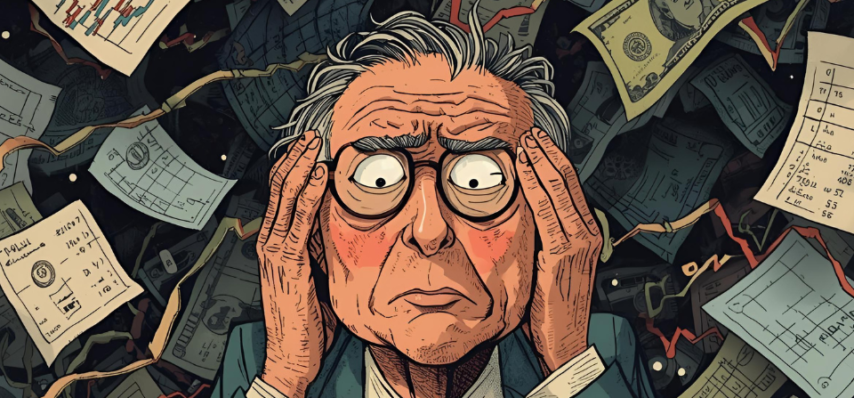
Retiree suffered heavy losses after borrowing to buy $2mil of investment products
Retiree Suffered Heavy Losses After Borrowing to Buy $2m of Investment Products
A painful reminder about leverage in retirement
A recent Straits Times report on a retiree who suffered heavy losses after borrowing to invest roughly $2 million has reignited debate over financial suitability, leverage, and investor protection. The case highlights how strategies that may appear workable during one’s working years can become devastating once regular income stops.
What happened in this case
According to The Straits Times, the retiree took on significant borrowings to purchase investment products that were marketed as offering enhanced returns. These products involved varying degrees of market exposure and leverage.
When market conditions turned unfavourable, the investment values fell sharply. However, the loans used to finance these investments did not shrink. Interest costs continued to accrue, creating a compounding effect that rapidly eroded the retiree’s net worth.
- Borrowed funds amplified initial investment size
- Market downturn reduced portfolio value
- Ongoing interest payments deepened losses
- Limited income made recovery difficult
Why borrowing is especially risky for retirees
Borrowing to invest is risky at any age, but it becomes particularly dangerous in retirement. Unlike working adults, retirees usually have:
- No active salary to service debt during downturns
- Shorter time horizons to wait for markets to recover
- Higher dependency on invested capital for daily living expenses
In this case, the retiree’s losses were not just paper losses. The need to continue servicing loans meant that financial stress became immediate and unavoidable.
The issue of product suitability
The case also raises important questions around product suitability. Complex or leveraged investment products may be legally sold to investors, but they may not be appropriate for someone whose primary goal is capital preservation and income stability.
For retirees, the mismatch often arises when:
- Return targets are prioritised over downside protection
- Loan structures are poorly understood
- Worst-case scenarios are underestimated or ignored
Lessons for investors — including property buyers
While this case involved financial investment products, the lessons extend to property investing as well. Property is often perceived as safer, but heavy borrowing can create similar stress if:
- Rental income fails to cover loan repayments
- Interest rates rise faster than expected
- An exit sale is needed during a weak market
Conservative leverage, adequate cash buffers and realistic stress testing are essential — especially for investors nearing or already in retirement.
Thinking about a safer retirement strategy?
If you are reviewing leveraged investments, property purchases, or refinancing decisions as you approach retirement, a second opinion can help identify hidden risks and more conservative alternatives.
Whatapps TopBroker Team