

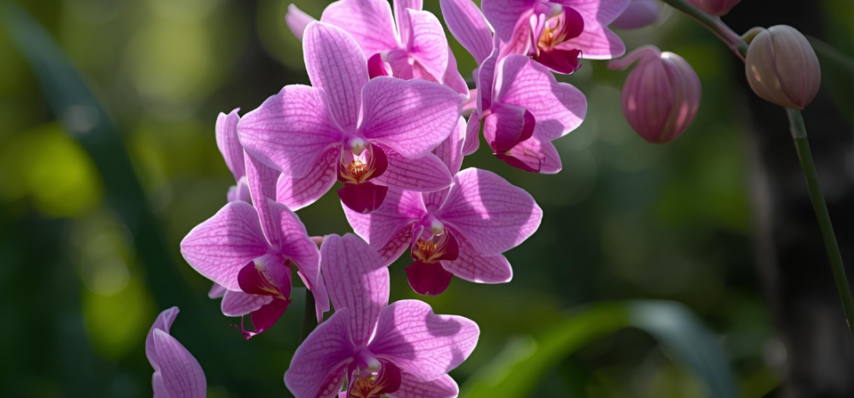
Part of Holland Plain, home to orchid once extinct, up for conservation
Part of Holland Plain, home to orchid once thought extinct, up for conservation
Rare biodiversity site flagged for protection
Part of Holland Plain has been identified for potential conservation, following renewed attention on its ecological significance — including being home to a rare orchid species that was once believed to be extinct in Singapore.
The area forms part of Singapore’s remaining pockets of secondary forest and open natural habitats, supporting native plant species and biodiversity that have become increasingly scarce amid urban development.
What this means for land use and planning
Areas identified for conservation typically face tighter controls on development, with future planning decisions prioritising ecological value over redevelopment. This can influence nearby land parcels, especially in established landed or low-density residential enclaves.
- Higher scrutiny for rezoning or redevelopment proposals
- Potential uplift in heritage and environmental value of surrounding areas
- Longer-term certainty for conservation-led land use
For landowners and investors, such announcements highlight the importance of understanding URA planning intent, conservation buffers, and long-term zoning stability.
TopBroker Insight
Conservation announcements often have indirect implications for nearby landed homes, estates, and redevelopment-sensitive plots. While conserved land itself is removed from development, surrounding properties may benefit from:
- Preserved green views and environmental buffers
- Reduced risk of high-density neighbouring developments
- Stronger long-term character and scarcity value
Considering land or landed property near conservation areas?
Planning intent and conservation status can significantly affect long-term value, redevelopment potential, and risk exposure.