

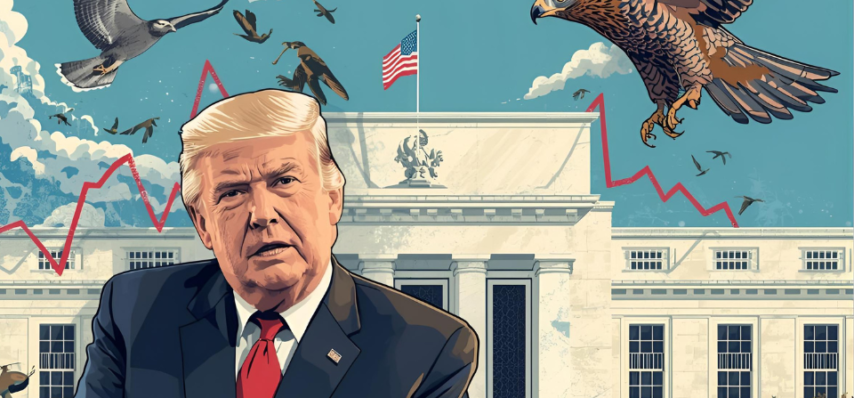
Fed likely to trim rates again this week but it could be a ‘hawkish’ cut
Fed likely to trim rates again this week but it could be a 'hawkish' cut
Global markets are bracing for the US Federal Reserve to deliver another interest rate cut this week — but traders are not expecting a celebratory “dovish pivot”. Instead, economists say the move is likely to be a "hawkish" cut: a reduction in rates paired with tough messaging that the fight against inflation is not over.
What is a 'hawkish' rate cut?
Normally, a rate cut is seen as dovish — central banks easing policy to support growth. A hawkish cut is different. It happens when:
- Rates are cut by a small, cautious amount, often in line with expectations;
- The official statement and press conference emphasise inflation risks and the need for vigilance;
- Policymakers signal that this is not the start of a rapid or automatic rate-cutting cycle.
The result: markets get some relief on borrowing costs, but are warned that monetary policy remains tight in spirit.
Why the Fed might cut but stay hawkish
Several factors can push the Fed towards a hawkish cut:
- Inflation has come down, but remains above the Fed's long-term comfort zone.
- Growth and hiring show signs of slowing, calling for some support to the economy.
- The Fed wants to avoid over-stimulating markets and triggering another surge in asset prices or inflation.
By cutting but talking tough, the Fed tries to balance two goals: keeping the recovery alive while maintaining its anti-inflation credibility.
How markets might react
A hawkish cut can create mixed reactions:
- Equity markets may initially cheer the cut, but could pull back if guidance on future cuts is weaker than hoped.
- Bond yields may fall at the short end of the curve, while longer-dated yields stay firmer if investors believe rates will stay high for longer.
- US dollar can remain strong if the Fed is seen as more hawkish than other central banks, affecting global funding and capital flows.
What it means for mortgages and property investors
For property buyers and investors, especially in open and financially connected markets like Singapore, the tone of the Fed matters as much as the cut itself:
- If markets price in fewer future cuts, longer-term borrowing costs and fixed-rate packages may not drop as much as headlines suggest.
- Bank funding costs and swap rates are influenced by both the cut and how quickly markets expect the Fed to move thereafter.
- Risk assets — including property stocks and REITs — may see short-term volatility as investors recalibrate expectations.
In other words, a hawkish cut may offer limited relief to long-term borrowers compared with a full dovish pivot.
What investors and borrowers should watch
Beyond the headline "rate cut" number, serious investors should pay attention to:
- The Fed's dot plot or rate projections for coming years;
- Any change in wording on inflation risks and labour market conditions;
- How many policymakers see further cuts as likely versus those favouring a pause;
- Market-implied expectations for future rate paths after the announcement.
Not sure what Fed moves mean for your loans?
If you're holding or planning a property loan, we can walk you through how global rate moves translate into actual mortgage costs, refinancing options and holding power.