

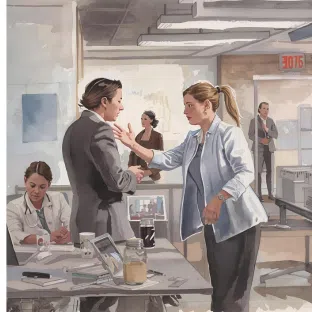
Sex first, then sell my flat: Women property agents fend off indecent proposals, harassment
- November 14, 2025
- Straits Times
- 4 mins read
“Sex First, Then You Can Sell My Flat”: Women Property Agents Fend Off Indecent Proposals & Harassment
Female property agents in Singapore are speaking out about disturbing experiences ranging from unsolicited indecent proposals to outright sexual harassment in the course of their work. These incidents highlight serious ethical and safety issues in the property brokerage sector.
What Agents Are Reporting
Examples of harassment reported include:
- A senior associate branch director was in a prospective seller’s flat when the door was locked without warning and the homeowner attempted to force sexual activity.
- A property agent received a handwritten letter at her office offering a high-commission deal *only if* she provided sexual services.
- A tenant made a video call and exposed himself deliberately to an agent during a viewing-appointment discussion.
Why This Matters in the Brokerage Sector
Reputation & Trust
When agents face harassment, it undermines trust in the profession and may deter talented women from entering or staying in the industry.
Safety & Legal Risk
Employers and agencies have a duty to ensure safe environments. Under the Protection from Harassment Act (POHA), individuals can seek protection orders or civil remedies if subjected to harassment.
Such incidents can lead to lost deals, personal trauma, reputational damage and increased risk for the brokerage firm.
Best-Practice Guidance for Brokers & Agencies
Clear Policies & Reporting Systems
- Implement written anti-harassment policies specifically covering third-party (client / prospect) behaviour.
- Provide safe channels for agents to report harassment (anonymously if needed) and guarantee swift action.
Pre-Meeting Risk Protocols
- Discourage agents (especially women) from meeting unfamiliar clients alone in high-risk locations — use public or agency-supervised spaces.
- Encourage “check-in” procedures: agents to inform the office of meeting details, have a colleague aware, share location if needed.
Training & Awareness
- Train agents on what constitutes harassment, how to preserve evidence (screenshot, record-timestamps), how to file a police report.
- Promote a culture that supports victims/survivors without victim-blaming. As one advocacy group notes, “focus should be on why some men feel it is acceptable to send such messages”.
What Agents Should Do If Faced With Misconduct
- End the meeting immediately if you feel unsafe or pressured.
- Document the incident (take screenshots, preserve physical letters, note names/dates/time/location).
- Inform your agency or employer and request support.
- File a police report and consider a protection order under POHA if appropriate.